
Yellow Gold Rings and the Rise of Modern Diamonds
How Buying Diamonds Is Different Now
These days, shopping for rings or necklaces feels nothing like it did a yellow gold rings back. Online price checks shape choices more than store visits ever did. Sourcing details matter just as much as sparkle when picking gems. Before any purchase happens, proof of craftsmanship shows up on screens first. What really matters is getting something worth what you pay. Lab grown gems are common today because of this thinking. Mined diamonds being the default choice? That belief loses ground every year. People care about how it looks, if it lasts, then whether it fits life well. A single glance can’t always reveal what sets two stones apart though they seem identical at first sight. Cost differences become harder to ignore especially when choosing items meant to stay close for decades like wedding bands heirloom pendants or classic solitaires. The gem itself is just part of it really. What counts also includes how it feels on your hand day after day. Style plays a role yes yet so does upkeep long term value and whether it fits within sensible spending limits.
How These Diamonds Stand Out
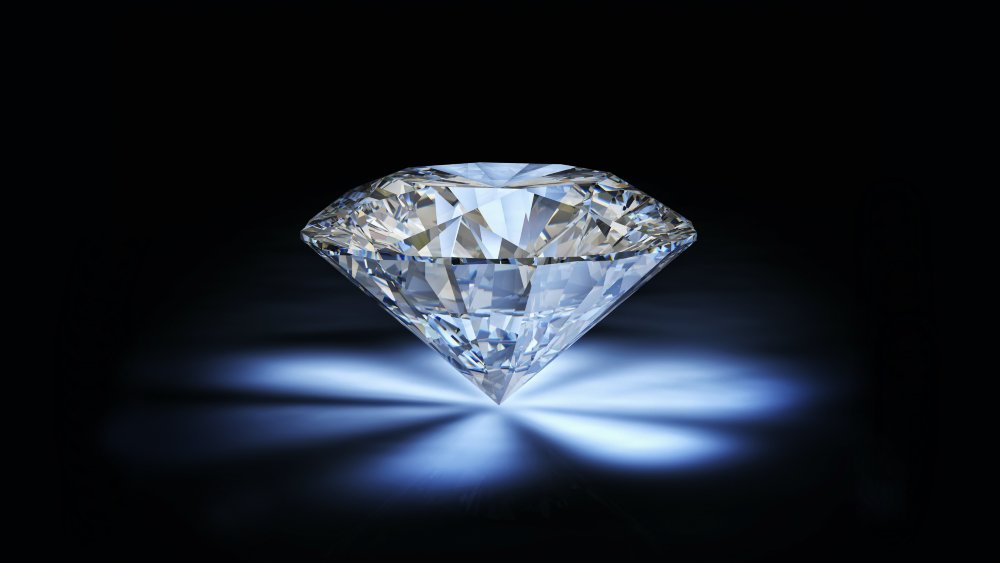
Underground, heat and pressure birth natural diamonds through ages. Lab versions match them exactly inside. Carbon atoms stack identically, corner to corner. No glass here. Not fake sparkle stuff either. Realness isn’t the question – source is. Factories grow theirs in weeks. Earth takes eons. Same gem. Two paths. Out in labs, certain stones grow under tight settings where high tech mimics natural pressure and heat. These rocks end up matching mined ones in toughness, shine, strength. Without tools meant for testing, most folks see no gap at all. This fact quietly shifted what happens when someone buys a ring or necklace.
Buyers Notice Shifts
One factor stands out: cost. Yet that’s far from the whole story. Flexibility matters just as much to shoppers today. Rather than sacrifice one thing for another – bigger versus better – many find a way to get both. With smarter spending, a roomier, clearer gem comes within reach, even on steady earnings. Suddenly, picking jewelry feels different somehow. Take this case:
- A person looking at a tiny gem before might today pick a bigger main jewel instead
- Some pairs choose finer details in the band’s design rather than focusing solely on a large stone
- A fresh look at jewelry might mean reshaping the piece instead of settling for a weaker gem. Picking new forms lets brilliance stay intact. Rather than trading sparkle for style, shift the structure. Change comes through shape, not sacrifice. Details evolve without losing fire. Design moves forward when cut takes priority. Gem stays strong if creativity leads
Freedom sticks around at the top of the list, lab made diamonds keeps pulling more people in.
Yellow Gold Looks Good
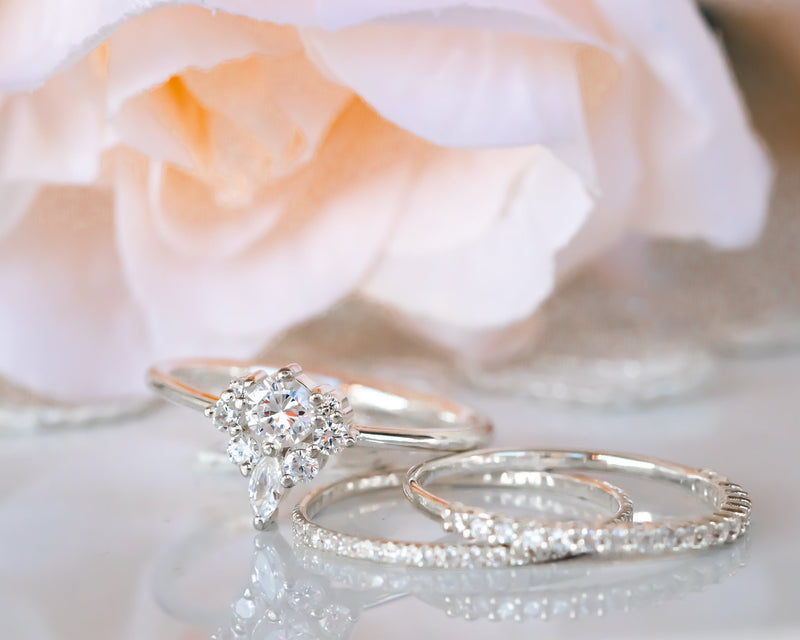
These days, yellow gold is back with real presence. More shoppers choose its warm glow instead of cool-toned metals. One reason sticks out – it masks tiny scuffs more easily as life happens. For many, it fits naturally with different complexions. A few find it appears warmer compared to white gold or platinum. With sparkling diamonds, the difference shows up plainly. That warmth helps highlight the gemstone distinctly. Particularly in old-style rings or timeless single-stone layouts. A single round diamond set in warm-toned gold can appear bigger, simply due to how light shifts around it. Because of that shift – part glow, part shadow – more new ring lines are leaning into golden tones lately. The eye catches on the center differently when metal and sparkle play off each other like this.
Measuring Quality
Just like natural gems, these get judged by identical rules. Look at them closely – color, cut, clarity matter just the same
- Cut
- Color
- Clarity
- Carat weight
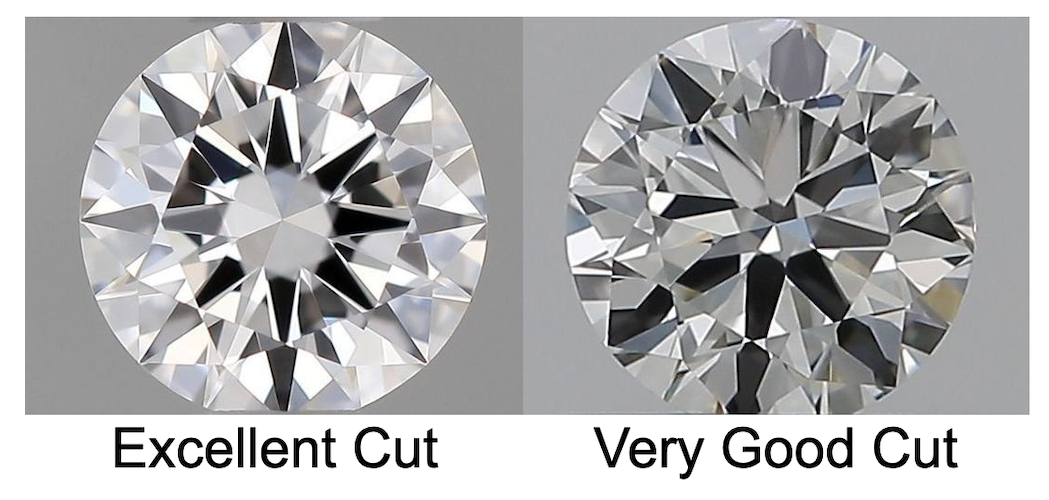
Most important is the cut, since it decides how light travels inside the diamond. Brightness and sparkle come from a properly cut stone. What you see as whiteness ties directly to color grade. Tiny features within the gem affect clarity. Weight defines carat, though that does not always show in surface appearance. Start by thinking about how the diamond sparkles. Usually, size matters less than precision in shaping. One that’s small but shaped right tends to outshine a bigger stone built wrong. Focus shifts when light plays across the surface just so.
Certification Still Matters
Start by skipping any diamond that lacks a report from a trusted lab. When you see proof of what the gem really is, shopping becomes less guesswork. Labs like these usually back up claims about each stone: GIA, AGS, HRD, IGI
- IGI
- GIA
- GCAL
Take time to go through the report rather than trust what you see in pictures alone. Images might have been altered. What matters shows up in the grading details.
Common Misunderstandings
Truth is, some folks think lab diamonds dim quicker or get hazy with age. Not true at all. Where a diamond comes from – above ground or made in a lab – doesn’t change how clear it stays. What really dulls shine? Grime, oils, skipping cleanings. Then there’s the idea about selling them later. Hard truth: nearly every piece of jewelry fails as something you bank on financially. Most diamonds – dug up or made in labs – end up cheaper later compared to store tags. Wear them because they bring joy, not because of what might happen down the road.
Typical Buyers of These Items
Most folks underestimate just how wide this crowd really is. Starting out together, young pairs make up a big chunk since budgets must stretch between rings and rent. Yet those who know their way around gems show interest too. Owning earth-dug stones already, some would rather save when adding more bling. Some folks prefer bigger gems in their trendy pieces but aren’t ready to pay sky-high costs. Meanwhile, more shoppers are asking exactly where materials come from before they buy.
Settings Change How Things Look
A different look emerges depending on the ring’s design. Center gems seem bigger with slim borders around them. When surrounded fully, diamonds stay safer during everyday use. Light reaches deeper through open claw holds. Warm metal frames give a classic feel yet fit clean lines well. Common choices feature:
- Solitaire rings
- Hidden halo settings
- Three stone rings
- Oval center stones
- Vintage inspired bands
Most of the time, doing what works beats chasing what’s popular. Your routine matters most when choosing. When your job involves constant hand use, something less bulky tends to stay out of the way, feels easier to live with.
Maintenance Is Simple
Every now and then, diamonds need a good clean – no matter where they come from. Try soaking them in warm water mixed with gentle soap, using a toothbrush that won’t scratch. A quick scrub often brings back their shine quite well
- Remove rings during heavy lifting
- Store jewelry separately to avoid scratches
- Check prongs occasionally for looseness
- Have rings professionally cleaned when needed
Pieces look better when care stays consistent. Over months, upkeep makes all the difference.
Buyers compare more now than before
Minutes stretch into decisions once frozen by distance. A hundred stones appear at once through screens brighter than shop windows. Knowledge builds where choices multiply without stepping outside. Store cases lose their grip when papers, footage, close-ups travel faster. Honesty inches forward because eyes see more now. Now buyers dig deeper into price tags, wondering how much is really added on top plus where things come from. Push like that helps explain why lab grown stones keep showing up more often, whether you’re browsing a website or walking through a mall shop.
Selecting Your Ideal Ring
Most days, a ring needs to keep up without getting in the way. Seems clear – yet somehow skipped when choices are made. Durability matters just as much as how it feels after hours on your hand; trends fade fast while daily use stays real. Ponder this:
- Every day, will it sit on your finger? Or does it wait in a box?
- Some folks lean toward clean lines, others crave intricate touches. What feels right to you?
- How does it sit when you wear it?
- Years later, will it still match how you dress? Maybe.
Truth weighs heavier than what others think. Confidence turns a plain band into something that stands out, while flashy choices made for likes often fade fast.
Common Questions People Have
Do laboratory created diamonds test as real diamonds?
True. Identical in makeup to natural stones, lab grown versions pass as real when checked by regular testing tools.
Can these diamonds be placed in custom jewelry?
Fine craftspeople often fit these into made-to-order rings, while necklaces see them too. Earrings sometimes hold one securely, whereas bracelets may include several along their design.
Are yellow gold rings durable enough for daily wear?
True enough. When mixed into popular blends such as 14k, yellow gold holds up well under daily wear. It stands the test of routine use without giving out easily.