Why I Chose the Veterinary Technology Program Alhambra for My Career
The veterinary technology program at Alhambra became part of my life the moment I realized I wanted a career that blended science, compassion, and hands-on work with animals.
I didn’t grow up imagining myself in a clinical setting, but a single moment changed everything.
I still remember the day my aunt’s senior Labrador, Milo, fell ill suddenly.
I sat in the exam room, watching a vet tech calmly guide us through what was happening.
She explained symptoms, monitored his breathing, prepared equipment, and reassured us without sounding rehearsed or robotic.
That combination of knowledge and empathy stayed with me for years.
It wasn’t just medical support—it was emotional support during a stressful moment.
A few years later, when I began exploring programs, the idea of becoming that kind of professional pulled at me.
That’s when I found the veterinary technology program Alhambra, and everything aligned.
What Drew Me to This Path
I didn’t have a traditional science background.
In fact, I once fainted during a ninth-grade frog dissection.
But something shifted as I shadowed vets during my early exploration phase.
I realized that animal care isn’t about being fearless—it’s about being willing to show up.
The first time I observed a real surgical prep, I expected my nerves to ruin the moment.
Instead, I found it fascinating.
The vet tech I shadowed walked me through each step: sterilizing tools, tracking vitals, and prepping anesthesia.
She treated it like second nature, but she also treated me like I belonged there.
That changed how I viewed my own potential.
When I started comparing schools, I wanted a place that felt grounded and realistic—somewhere that didn’t sugarcoat the profession.
The Alhambra program stood out because it focused on real clinical training, not just textbook theories.
The Turning Point in My Decision
One afternoon, I toured a local clinic that frequently mentors students from Alhambra.
It was loud, a little chaotic, and absolutely alive with purpose.
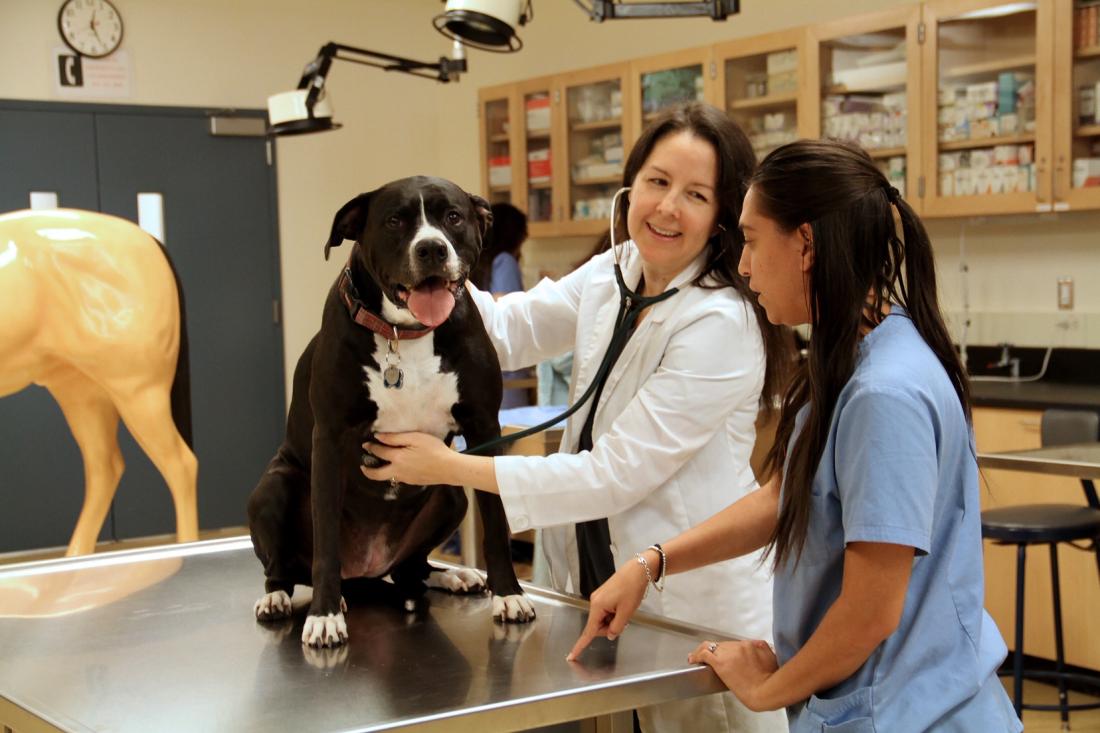
A vet tech student was assisting with a dental cleaning, and as she charted each tooth, she explained how she learned to spot early signs of disease.
She wasn’t reciting information—she was engaging with the case like a professional.
I remember thinking, “I want to be that confident.”
Not perfect, but capable.
The hands-on, real-world training connected to the program sealed my decision.
What the Coursework Felt Like Day-to-Day
I won’t pretend it was easy.
The first few weeks felt like learning a new language—anatomy terms, equipment names, medication guidelines.
I’d go home with a notebook full of sketches trying to understand circulatory pathways or canine musculoskeletal structure.
But the moment lectures transferred into lab practice, things clicked.
The first time I successfully placed a catheter, my instructor smiled and said, “See? Your hands know what they’re doing now.”
That tiny victory kept me motivated through tougher modules, like anesthesia monitoring and radiography.
Real Experiences That Shaped Me
During one rotation, we cared for an anxious rescue cat scheduled for imaging.
She hid under her blanket, trembling.
A fellow student whispered, “Talk to her like you would talk to your own pet.”
So I did.
Within minutes, her breathing slowed, and she let me gently lift her for the procedure.
Moments like that taught me that being a vet tech is part science, part instinct, and part heart.
No manual can teach you all of that—it comes from being in the room, doing the work, and learning from the animals themselves.
Skills I Never Expected to Learn
I thought the role was mostly clinical tasks.
I didn’t expect to get good at reading subtle body language—from a dog who tenses before a blood draw to a rabbit whose ears flatten when stressed.
I didn’t expect to master communication with nervous owners who ask rapid-fire questions because they’re scared.
The emotional intelligence side of this career surprised me most.
It’s one thing to treat animals.
It’s another to guide their humans through difficult decisions with clarity and compassion.
How the Program Prepared Me for Real Clinical Work
What made the Alhambra curriculum stand out was how grounded it felt.
There was no “learn it once and forget it.”
Every new skill built on the previous one, whether we were practicing restraint methods, analyzing lab results, or setting up surgery rooms.
By the time I entered my externship, I wasn’t just memorizing steps.
I was thinking like a tech—anticipating what might go wrong, adjusting equipment without being asked, checking vitals with confidence.
My supervisor even said, “You don’t act like someone who’s new at this,” which was one of the proudest moments of my training.
Why This Career Feels Meaningful
I didn’t choose this path for glamour or quick success.
I chose it because I wanted a job where I could directly help someone—sometimes an animal, sometimes their human.
A vet tech touches every part of a clinic’s operation: diagnostics, treatment, surgery assistance, and education.
That variety keeps every day interesting.
No two shifts ever look the same.
One morning, you’re assisting with a routine vaccine visit, and by afternoo,n you’re prepping an emergency case.
It’s demanding, but I’ve never once felt bored.
Would I Choose It Again?
Absolutely.
If anything, I wish I had discovered it sooner.
The work challenges you, stretches you, and reshapes the way you see care, responsibility, and resilience.
You learn to stay calm in stressful moments.
You learn to be present even when you’re drained.
And you learn that you’re capable of more than you thought.
The veterinary field needs people who are ready to show up—even on the hard days.
If you’re someone who wants hands-on training, real clinical experience, and a path that leads to meaningful work, this program is worth exploring.