
Vintage Engagement Rings UK with Lab Grown Diamonds
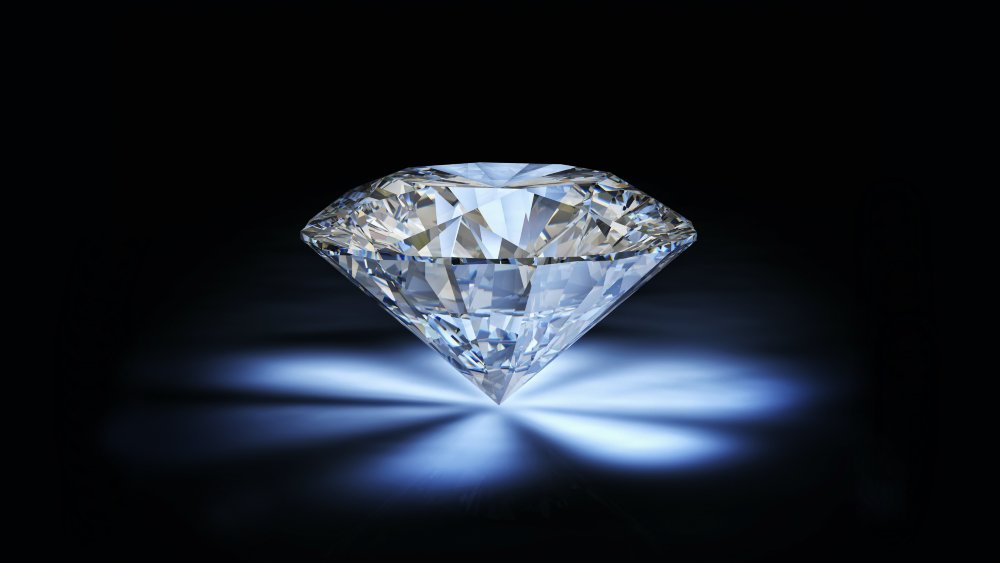
Real diamonds can be made in labs. These stones match natural ones in chemistry, toughness, and sparkle. What sets them apart is where they come from. Rather than forming deep beneath Earth’s surface over immense time spans, they grow in carefully managed settings with modern science. Two primary techniques make this possible. A lab made diamond forms under intense heat and pressure, much like the real thing grows underground. Instead of waiting centuries, scientists speed things up inside controlled chambers using gas reactions. What comes out looks just like earth-mined versions, down to how it sparkles and handles scratches. Put two stones side by side – one from a mine, one from a machine – and spotting the difference takes more than eyesight. Daily wear tests show both hold up equally well when life gets busy.
Why people choose lab grown diamonds
Buyers usually land on vintage engagement rings uk once they’ve thought through three things. Price matters first. These stones often come cheaper by the carat. So instead of chasing size, you might spend more on how well it’s cut or how fine the mounting looks. Then comes conscience. Many care where their diamond comes from. Control plays a role too. Knowing exactly how and when it was made sits well with some. Not everyone says that out loud. But it shapes choices just the same. Made without digging through earth, lab diamonds skip the harm that mines often bring. Certain shoppers won’t budge on that point. Less talked about? The power behind precision. Factories shape these stones with near exact matches in hue and purity. A steady hand helps when fine details must line up perfectly.
Common reasons buyers switch
- You want a higher quality stone within a fixed budget
- Finding where things come from matters most to you
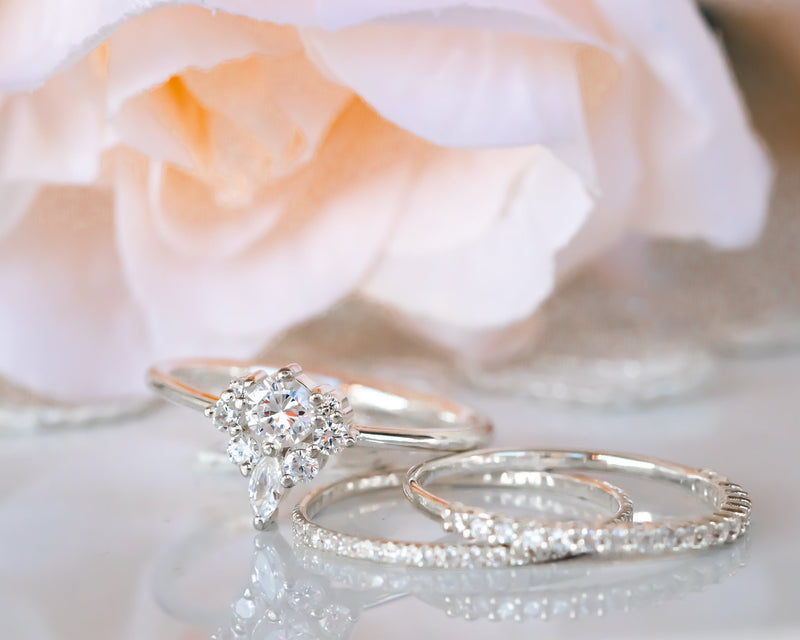
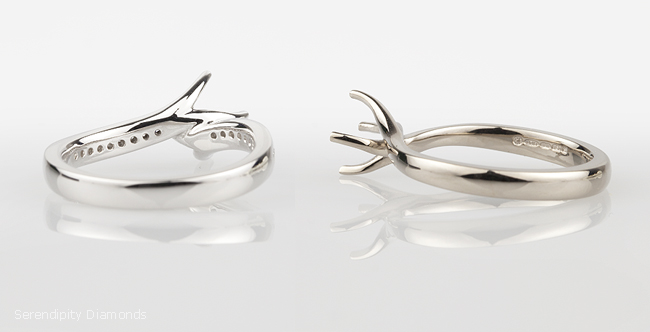
- A small gem meets an ornate frame. Sometimes old patterns hold the newest sparkle. Details pile up around its edges. A heavy border shapes how light slips through. Craftsmanship leans into history here. Weight of design presses close to the surface. Each curve answers the stone’s quiet presence
How lab grown diamonds compare in durability
Hardness? Not a problem here. Lab created stones match natural ones point for point on the Mohs chart. These gems shrug off scrapes thanks to their tough nature. Shine stays put even after months of regular use. Worn every day, they act just like mined versions. Value shifts show up later when selling or appraising – more on that down the line.
Using lab grown diamonds in vintage style rings
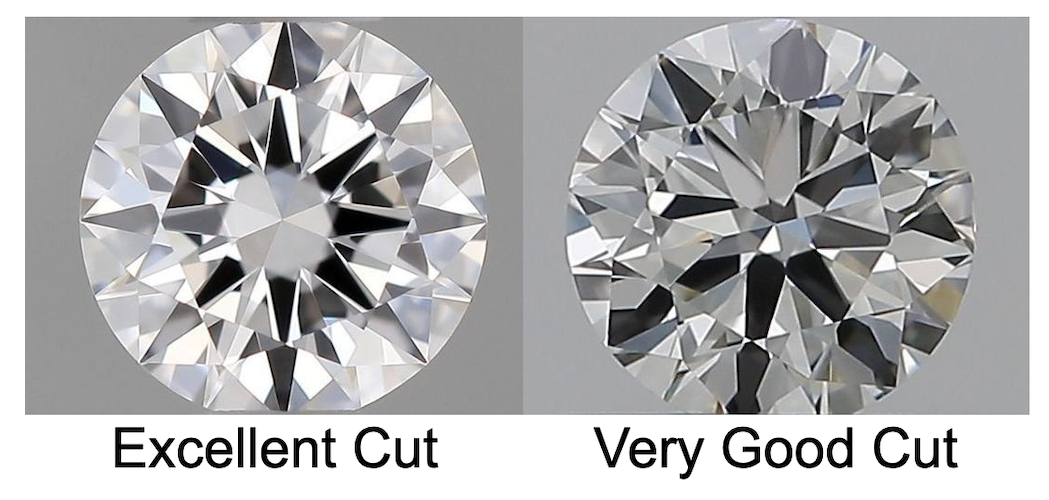
Proportion shapes what makes a lab grown diamonds more than where it came from. Details like milgrain edging or shoulders carved by hand give depth to the design. Instead of mined stones, lab diamonds still offer options – cut to mirror past eras. Choose an old mine, old European, or transitional profile when appearance holds weight. Style whispers history even if the stone does not. Matching the shape to the style matters most. Even if it’s new, a sharp modern cut might clash with Edwardian details. What counts is how it fits together. Think symmetry first, age second. Picture a softly squared lab diamond with more height at the top – this one flows into a 1920s-style white metal band easier than a shallow sparkler made today.
Colour and clarity choices that suit vintage designs
A hint of warmth often shows up in old rings. Not every stone had flawless clarity – most did not. Perfect whiteness wasn’t typical back then. Choose a shade close to clear instead of stark brilliance. These tones blend well with aged yellow gold. They also suit worn platinum surfaces. G through J hues feel more at home there. Most people cannot tell the gap between clarity grades beyond VS2 after it’s mounted. Spending more on how well the stone is cut usually makes a bigger impact.
Practical guidance
- Prioritise cut and proportions over grade labels
- Avoid overly white stones in antique designs
- Look at gems placed in settings rather than on their own
Certification and what to look for
Because they’re made in labs, diamonds need proper certification. Most of the time in the UK, that’s handled by IGI or GIA. What the stone was created with matters – so details like how it grew are checked closely. Size gets recorded too, along with cut quality and clarity. One thing stands out right away: the label says exactly where it came from – the lab. This part matters most. Skipping it leaves you exposed when handling policy transfers or system improvements.
Resale value and long term expectations
Mine-pulled gems and their lab-made twins start to part ways here. Right now, the man-made kind holds less worth when resold. As tech gets sharper, prices dip. How it wears stays unchanged, yet future pricing shifts under new math. For pieces meant to pass through hands across years, this detail weighs heavy. Possibly it won’t matter if your plan is simply to put it on and live with it every day. In older-style rings, the way the gem is mounted can be worth more than the rock inside. Though that might surprise some, the detail in the metalwork tends to steal attention.
How to manage this risk
- Invest in setting quality and design
- Do not overpay for high grades
- Buy from a retailer with clear trade in terms
How This Fits UK Buyers Specifically
Vintage engagement rings in the UK usually come with stamped marks, fixed sizes, plus old-fashioned designs. Though made by machines underground, these sparkly stones still meet British jewel rules and get covered by insurers. Recognition among appraisers has become common lately. When matching one of those modern gems with a true period frame, expert advice helps avoid issues. Older bands sometimes need uniquely shaped diamonds just to keep their shape intact.
Cost planning and realistic budgets
Money moves differently with lab grown stones. Carat size gets less attention when detail work takes priority. Custom engravings, unique prongs, careful repairs – they demand higher expense than factory-made settings. Satisfaction usually comes from balance. Think: one carat of cultivated sparkle inside hand-tooled platinum might ask fewer dollars than a weaker natural stone lost in an ordinary frame.
Questions to ask before you buy
Does the shape of the stone fit how it will be held in place?
A balanced look often counts for more than how big something is.
Was it shaped by an expert, or brought back to life through careful work?
Vintage style demands skill.
Can adjustments or fixes happen later down the line?
Older patterns can’t do everything.
FAQ
Are lab grown diamonds considered real diamonds?
Exactly the same in makeup and structure as natural diamonds. Their only distinction lies in where they come from, not what they’re made of.
Can lab grown diamonds be used in genuine antique rings?
A well-picked shape can work – provided sizing is precise. Before installation, an expert must check how it fits into place.
Labs make stones that fit old-style bands just fine.
Many in the UK picking these shine rocks for classic looks. Taste shifts slowly, yet clear choices emerge now. Old charm meets new methods without fuss. Some still favor mined gems, true.
Still, smart alternatives gain ground quietly.
Success comes down to cut, hue, one thing matters more than origin – how the gem fits the piece. Thoughtful choices make it work, always has.