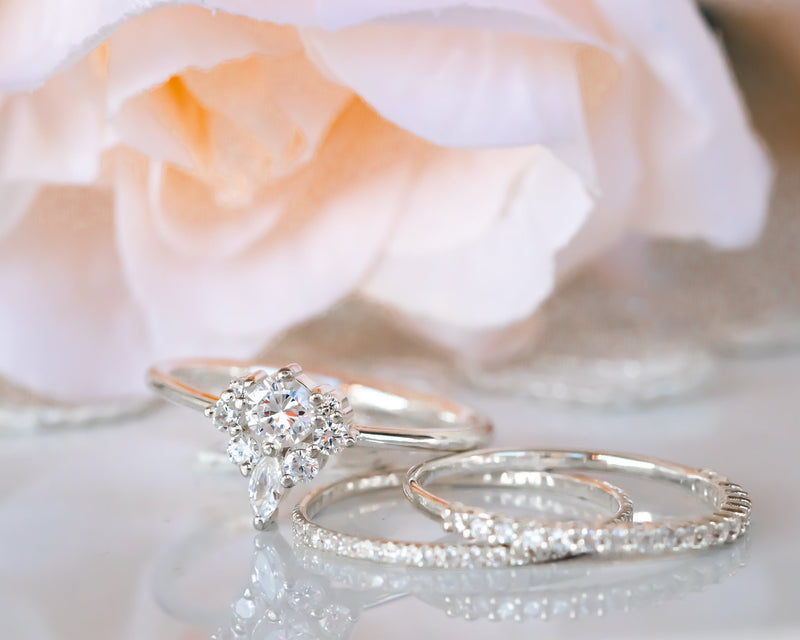

pendientes de diamante: Smart Buying Guide
Lab Diamonds What You Should Understand
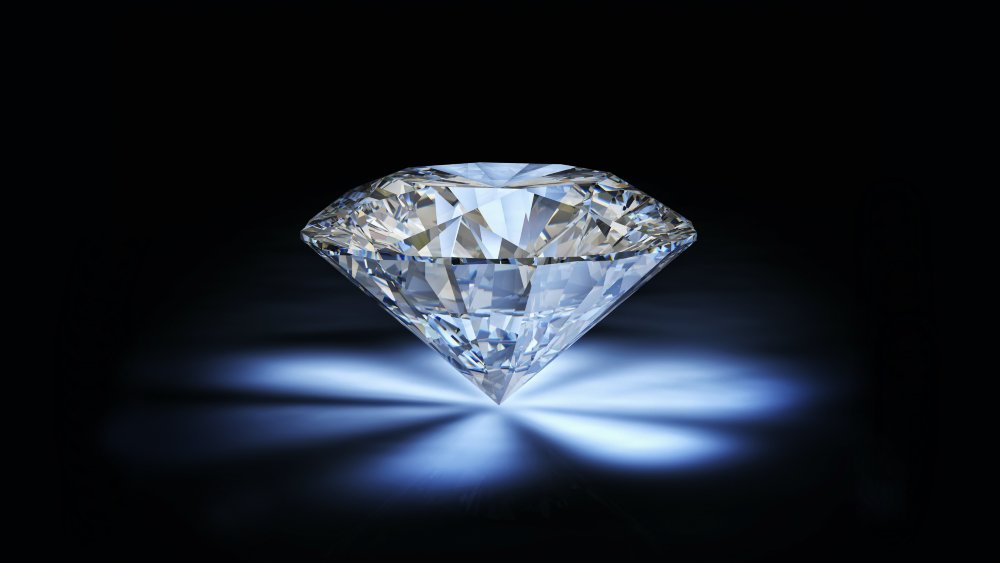
Not so long ago, only earth-mined gems counted. Now pendientes de diamante grow them too – identical inside, just made faster. People call these lab diamonds. They look the same, weigh the same, sparkle the same. When shopping for rings or necklaces, that shifts things quietly. Price isn’t tied only to rarity anymore. What matters adjusts when science steps in. Choices open up where they once stayed narrow. Truth matters more than old habits ever did. Choosing what’s real shapes better outcomes.
How Lab Diamonds Form
A lab diamond begins when extreme heat plus pressure shape carbon deep inside a chamber. Or gas splits apart, layering crystals slowly over time. These ways mimic how earth makes them below ground. What comes out looks identical. It acts like diamond too. Same structure. Same substance. One kind of atom lines up just like another. Hardness matches perfectly between them. Light bounces off each in an identical fashion. Picture two stones sitting next to one another – one pulled from earth, the other built in a room – yet your eyes fail to spot any gap without help.
Why This Affects You
It’s more than a rock. Think clear, strong, striking. With lab diamonds, stretch your dollar without losing quality.
- You can afford a larger stone
- Clarity might be your best pick here. Sometimes it just fits more naturally than the rest
- You can select higher color grades
So there’s no need to give up what matters.
Understanding Diamond Quality
A stone’s value comes down to four things. Called the 4Cs, they shape how it’s seen.
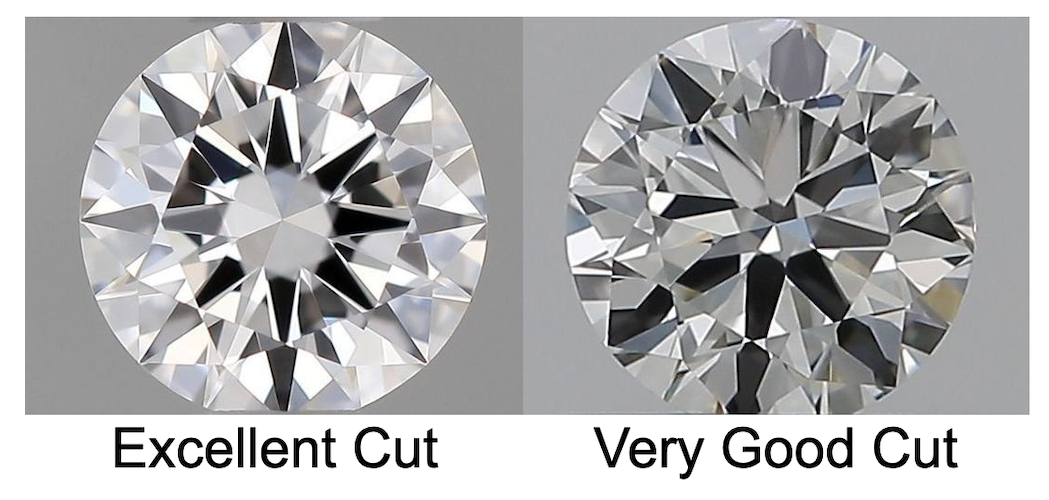
Cut
Light bounces differently depending on the cut. Brightness and lab diamonds clarity show up best when the shape is precise. Poor shaping hides even top-grade material. The way it sparkles comes down to angles, nothing else.
Color
A diamond’s hue shows whether it looks transparent or has a slight tint. Less noticeable color means a better rating on the scale. Many people pick stones that are almost free of color since they appear bright without matching the price of flawless ones.
Clarity
Most tiny flaws inside sit unseen by naked sight. Clarity counts how many show up under tools. A spotless look matters more than flawless rank. What you can notice is what counts.
Carat
A diamond’s heft comes down to carats. Size doesn’t guarantee sparkle. What counts is harmony. Though small, a well-cut, clear gem can shine brighter.
Lab Diamonds and Pricing
Suddenly, the balance tips toward you. Lab-grown stones often come in under natural diamonds when quality matches. Savings? They’re real, sometimes sharp. Take a one-carat stone pulled from earth – it could demand a far higher price than its lab-made twin, specs lined up exactly. That gap frees up room in what you set aside to spend.
- Upgrade the setting
- Choose matching pieces
- Invest in better craftsmanship
How to Pick Jewelry That Fits
Start with how often you’ll wear them – earrings, rings, or a necklace change based on that. Everyday use asks for tougher materials. Special moments allow more delicate choices.
For Everyday Use
Pick safety first when deciding on fastenings. Earrings that sit tight at the ear tend to slip less during daily use. Tiny gems survive knocks more quietly since they stick out less.
For Special Occasions
Big pieces stand out more. Earrings that hang low bring attention, pulling the eye with how they reflect light.
Styles That Work
A ring’s base cradles the stone, shaping how it appears and lasts. What surrounds the gem changes its feel over time. Frame choices shift more than just appearance – they decide wear resistance too.
- Prong setting allows more light and increases sparkle
- Protection gets a boost with bezel settings instead
- Halo setting adds visual size without increasing carat
One fits this way, another works better there. Picking comes down to what you’ll do with the piece.
Check If Real
Truth hides past first glance. Certification matters more than looks. A trusted lab’s report shows what is real. Details appear only there
- Cut grade
- Color grade
- Clarity grade
- Carat weight
This keeps track of your purchase plainly. What you buy shows up here directly.
Lab Diamonds and Their Lasting Worth
Most people mix up what resale really means. Buying a diamond? Better forget treating it like a stockpile of cash later. Think more about how much you’ll actually wear it. The real point lies in how useful the item feels through years. When bought, lab diamonds give plenty back for the price. Less money spent, yet the look stays identical. This brings real benefit.
common mistakes to avoid
Most folks regret picking pieces they know nothing about. Steer clear of these missteps:
- Choosing size over quality
- Ignoring certification
- Overpaying for brand name alone
- Skipping the check on how long settings last
Every error chips away at what you actually get for your money.
Smart Buying Steps
Picture how much you can spend first. After that, figure out what matters most. Is it bigger size, cleaner look, or something in between? Look at different choices instead of rushing. Take one case: a big rock but hazy inside versus a modest one glowing bright thanks to sharp cutting. More often than not, the second option catches more light. Peek at where it sits and whether papers back it up. Moving like this helps avoid floating off into guesswork.
Lab Diamonds Now
These days, lab diamonds show up just about everywhere. Rings wear them. So do necklaces, along with diamond pendants. Once seen as something unusual, they’ve slipped into everyday shopping. Choosing one feels less like an exception, more like common sense. Specs stay steady. Stock stays full. Buyers know exactly what lands on their palm.
Practical Example
Most days, those earrings will be part of your look. Money matters, so spending wisely feels right. Rather than settle for a dull natural stone, you go for lab-made ones – sharper angles, clearer faces. Brighter sparkle shows up easy, flaws stay hidden. They hold up the same over time. What changes? More shine, same cost, smarter choice.
Maintenance and Care
Even though diamonds resist damage well, they can still break. Cleaning should happen often using gentle soap with a soft-bristled brush instead. Harsh cleaners must stay far away from the surface. Each item works better when kept apart during storage so nicks do not form. Settings deserve a look now and then since loose stones risk falling out. A stone stays put only if its frame holds tight.
Final Thoughts On Choosing Well
Out there, old habits keep people stuck. What counts is proof, nothing else. Where something comes from means less than how well it’s made, whether certified, plus if the design holds up. Labs grow diamonds that stretch your dollar further. Clear thinking beats guesses every time.
FAQ
Are lab diamonds real diamonds?
True. Identical layout, identical traits. One comes from deep underground, the other grows in a lab setting. Way of origin sets them apart.
Lab diamonds hold up just like mined ones over time.
True. Both hold up just as well when worn every day.
What separates a diamond made in a lab from one pulled out of the ground?
Seeing it won’t help. Tools made for the job are what find where it started.