
Pawning Jewelry: A Practical Choice for Quick Cash
Jewelry often carries two kinds of value. One comes from its materials, craftsmanship, and market demand. The other comes from memories, family connections, or personal milestones. When unexpected expenses arise, a pawn shop can offer a way to access cash without immediately giving up a treasured piece.
Still, pawning jewelry requires more thought than simply handing over a gold necklace or diamond ring. Loan terms, appraisal methods, interest charges, and repayment deadlines all affect the outcome.
Learning how to use pawn shop services properly can help you compare offers, avoid unnecessary costs, and make decisions that suit your financial situation.
Why People Pawn Jewelry Instead of Selling It
Pawning and selling may look similar at first, but they serve different purposes.
When you pawn jewelry, the shop provides a short-term loan using your item as collateral. You retain ownership rights under the agreement and can recover the jewelry by repaying the required amount within the agreed period.
Selling works differently. The buyer pays an agreed price, and you permanently transfer ownership of the item.
For example, someone might pawn a gold bracelet to cover an urgent car repair. If they expect their next paycheck to cover repayment, a pawn loan may be worth considering.
However, selling could make more financial sense when the jewelry has no sentimental importance or repayment would be difficult.
How Pawn Shops Determine Jewelry Value
Pawn shops generally assess jewelry based on its materials, condition, resale potential, and current market prices. Understanding these factors helps explain why an offer may differ from the original purchase price.
Gold Purity and Weight
Gold jewelry is commonly marked with purity stamps such as 10K, 14K, 18K, or 22K. These markings indicate the proportion of pure gold in the alloy.
For example, 18K gold contains 75% pure gold, while 14K gold contains approximately 58.3%.
A jeweler or pawnbroker may use electronic testing equipment, acid testing, or other methods to verify purity. The item’s weight also influences its estimated metal value.
Decorative stones and non-gold components may be excluded from the gold weight calculation.
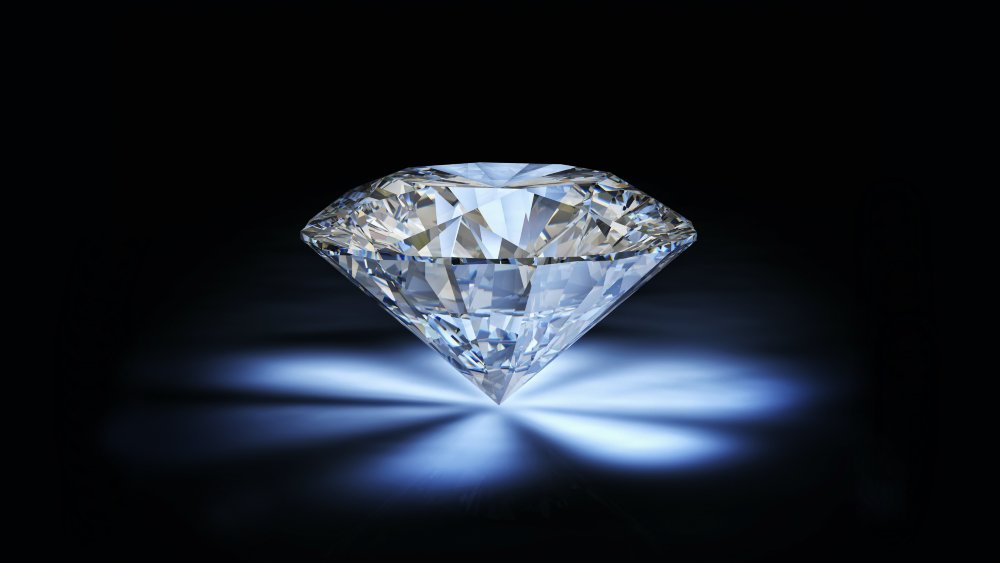
Diamonds and Other Gemstones
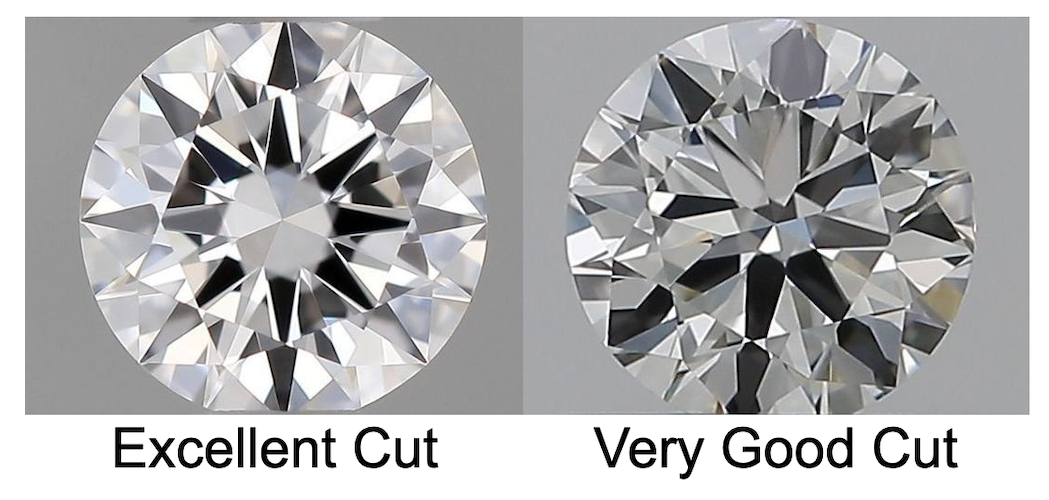
Gemstone evaluations involve more than size alone. Diamond quality is commonly assessed through the four Cs: cut, color, clarity, and carat weight.
Certification from recognized laboratories, such as the Gemological Institute of America (GIA), can provide useful information about a diamond’s characteristics.
However, a grading report does not guarantee a particular resale price. Market demand, setting quality, and the shop’s ability to resell the stone still matter.
Brand, Condition, and Resale Demand
Designer jewelry may attract stronger offers when its authenticity can be verified. Original packaging, receipts, and certificates can support the evaluation.
Visible damage, missing stones, or heavily worn settings may reduce an item’s resale appeal.
Some shops focus primarily on precious metal content, while others consider craftsmanship and branded resale value.
Preparing Your Jewelry Before Visiting a Pawn Shop
A little preparation can make the evaluation process easier and reduce misunderstandings.
Start by examining your jewelry for hallmarks, damage, and missing components. Photograph the item from several angles, especially if it contains distinctive details or gemstones.
Gather purchase receipts, appraisal documents, and certificates if available. These records may help establish authenticity, although they do not guarantee a higher offer.
Clean jewelry gently using methods suitable for its materials. Avoid harsh chemicals or aggressive polishing, particularly with antique pieces, pearls, or delicate settings.
Researching current precious metal prices also provides useful context. Remember that published gold prices generally refer to pure gold, not the amount a pawn shop will lend against jewelry.
Comparing Pawn Shops and Gold Buyers
Not every business evaluates jewelry using the same criteria. Some pawn shops specialize in collateral loans, while precious metal dealers concentrate on purchasing gold for resale or refining.
For people researching gold buyers Melbourne, comparing several established businesses can reveal differences in testing procedures, purchase offers, and customer service.
Before accepting an offer, ask whether the business intends to value the piece as wearable jewelry or primarily for its metal content.
A vintage ring with detailed craftsmanship may deserve a different evaluation from a damaged gold chain intended for melting.
Check licensing requirements, customer reviews, and written transaction policies. Local consumer protection rules can also affect how pawn agreements operate.
Reading the Loan Agreement Carefully
The loan agreement deserves as much attention as the appraisal itself. A generous initial offer may become expensive when interest and additional charges are included.
Before signing, confirm these details:
- Loan amount: The cash you will receive after any upfront deductions.
- Interest and fees: The total charges associated with the loan.
- Repayment deadline: The date by which payment must be completed.
- Renewal conditions: Whether extensions are available and what they cost.
- Default terms: What happens if the loan remains unpaid.
- Storage and insurance: How the shop protects pledged jewelry.
For example, a $500 loan with $75 in total charges would require $575 to redeem, assuming no additional fees.
The exact cost structure depends on the lender, agreement, and applicable laws. Request the full repayment amount in writing rather than relying on verbal explanations.
Protecting Your Jewelry During the Loan Period
Once a pawn shop accepts jewelry as collateral, the business generally holds it until the loan is redeemed or otherwise resolved.
Ask how items are labeled, documented, and stored. Reputable operators should provide a transaction receipt containing identifying details and the relevant agreement terms.
Keep your receipt and any photographs in a secure location.
If the jewelry has significant sentimental value, consider setting a repayment reminder well before the deadline. Waiting until the final day leaves little room for unexpected problems.
It is also worth asking what happens if the business closes, relocates, or experiences a theft. Applicable regulations and the shop’s insurance arrangements may influence the available protections.
Mistakes That Can Reduce Your Financial Return
One frequent mistake is assuming that the original retail price reflects the amount a pawn shop will offer.
Retail jewelry prices often include manufacturing, branding, distribution, and store operating costs. Those expenses do not necessarily translate into resale value.
Another mistake is accepting the first offer without comparing alternatives. Even two experienced buyers may value the same item differently because of their inventory and resale channels.
Borrowing more than you can realistically repay also creates risk. A higher loan amount may seem attractive initially, but losing a meaningful piece of jewelry can outweigh the temporary financial relief.
Finally, avoid confusing a professional insurance appraisal with a cash purchase offer. Replacement valuations often serve a different purpose from secondhand market assessments.
When Selling Jewelry Makes More Sense
A pawn loan is not always the most suitable option. If repayment is uncertain, selling unwanted jewelry may avoid accumulating interest and fees.
For example, a broken gold necklace with no personal significance might be better suited to a direct sale. Its value may depend largely on purity, weight, and the buyer’s pricing method.
Before selling, compare the estimated metal value against actual offers. Ask whether testing or refining charges will reduce the final payment.
Anyone learning how to use pawn shop services should also understand that a loan offer and a purchase offer are separate figures. Request both when the business provides both services.
This comparison helps clarify the financial trade-off between temporary borrowing and permanent ownership transfer.
Making a Confident Jewelry Transaction
A successful jewelry transaction depends on accurate information, transparent pricing, and realistic expectations.
If you plan to redeem your jewelry, calculate the full repayment cost and choose a deadline that fits your budget. For unwanted pieces, compare direct purchase offers before making a final decision.
When considering gold buyers Melbourne, prioritize clear valuation methods, documented terms, and businesses willing to explain their calculations.
Most importantly, consider the personal value of the item alongside its market price. A careful decision can protect both your finances and jewelry that may be difficult to replace.