
Lab-Grown Diamond Earrings: A Practical UK Buying Guide
Lab-grown diamond earrings give buyers the appearance, hardness and optical properties associated with diamond while offering a different origin from mined stones. For anyone comparing lab grown diamond earrings in the UK, the most useful approach is to look beyond carat weight and focus on cut, colour, clarity, proportions, setting quality and the grading information supplied with the stones.
A well-chosen pair should look good on the ear — not too flashy to overshadow the face or miss the light, but still make a statement based on how they will most likely be worn. For the right mix of style and budget, consider what you want the earrings to say — something bigger and bolder or smaller and more delicate.
What Makes Lab-Grown Diamonds Real Diamonds?
Lab-created diamonds are diamonds that are made in a lab, in a controlled environment, as opposed to being naturally formed underground. They share the crystalline structure of carbon as natural diamonds do, and have similar physical, chemical, and optical properties.
They must be not be confused with diamond simulants such as cubic zirconia or moissanite, which are completely different minerals that merely resemble diamonds.
There are two main ways that lab-created diamonds can be formed.
CVD and HPHT Explained
Chemical Vapour Deposition, generally shortened to CVD, is a process which sees diamond material being grown from carbon containing gases within a chamber.
High Pressure High Temperature, or HPHT, is a technique which creates an environment of extreme pressure and temperature which allow the diamond crystal to form.
One does not necessarily produce a better earring stone than the other, and the finished diamond must be judged on its individual qualities such a cut, colour, clarity and overall appearance.
Why Cut Matters So Much in Diamond Earrings
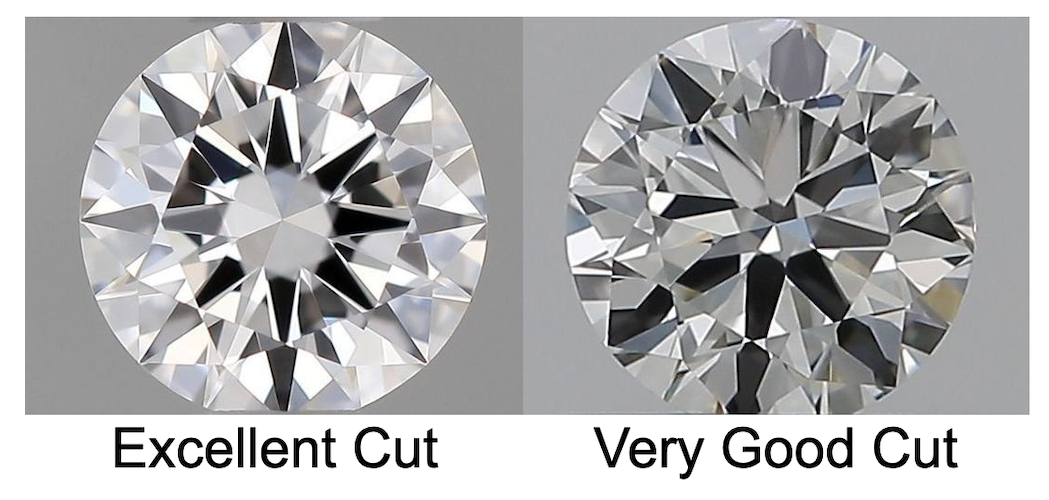
Diamond quality factors: cut qualities of a diamond. Essay
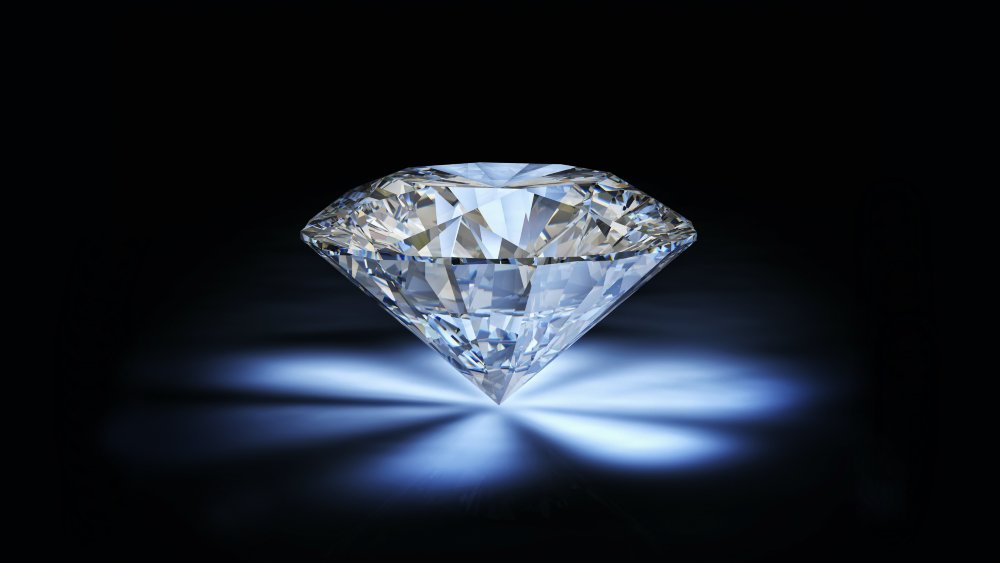
Cut is one of the most important quality factors since it determines how light interacts with the gemstone. A properly cut diamond will optimally return the light, thus making it sparkle, whereas a poorly cut diamond will underperform despite the color and clarity grade.
Round brilliant diamonds are the most preferred since their cut is optimized to return the maximum amount of light, thus creating a sparkling effect. Other shapes, including oval, pear, princess, cushion, and emerald, have unique light performance and visual appeal.
For earrings, symmetry between the two stones is also important. Buyers should compare the pair for:
- similar visible diameter or dimensions
- matching shape
- comparable colour
- similar clarity
- balanced brilliance
- consistent setting height
Two diamonds can have the same carat weight yet appear different in size because carat measures weight, not face-up dimensions.
Colour and Clarity Should Be Judged as a Pair
Very high colour and clarity grades are not always required for earrings to appear attractive under every day wear.
Colour refers to the degree of colour present or absent within a recognised grading system. Clarity refers to internal inclusions and any external blemishes.
For earrings, small clarity characteristics can be virtually undetectable when worn as part of a pair (particularly as they would not be worn in isolation at a conversational distance). This allows buyers to choose from combinations of different grade characteristics rather than always going for the absolute highest available specification.
The same can apply equally to colour. The metal choice for the setting can also affect the perceived difference, with white gold and platinum providing a contrasting neutral frame to any yellow or pink undertones that diamonds may possess at the lower end of the colour scale. Some buyers may also consider the visual impact of a yellow or rose gold setting on a lower colour grade to be less important than the overall appearance of the finished pair.
The aim is not to search for the ultimate grade on paper, but to find stones that appear clean, bright and matched in the finished pair.
How Carat Weight Works for Diamond Earrings
Carat weight can be slightly confusing with earrings because retailers may describe either the weight of each diamond or the combined total carat weight of the pair.
A one-carat total-weight pair, for example, may contain two stones of approximately half a carat each rather than two one-carat diamonds.
Before buying, confirm:
- whether the quoted weight is per stone or combined
- the dimensions of each diamond
- whether additional accent stones are included in total carat weight
- whether both main stones are closely matched
Visible size also depends on shape and proportions. A stone that carries more weight in its depth may look smaller face-up than another diamond of the same carat weight.
Choosing Between Studs, Hoops and Drop Earrings
Studs remain one of the most man made diamonds styles because the diamond sits close to the ear and works easily with casual, business and formal clothing.
Hoop designs allow for increased dexterity and utilise a number of smaller diamonds rather than one central stone. In such cases, the overall appearance of the row of diamonds becomes of particular importance.
Similarly, drop earrings draw additional attention to the design element of length, as well as motion and space. The size of the diamonds is just one design consideration, since the metalwork and spacing between stones also contribute to the visual effect.
Therefore, buyers seeking to purchase lab grown diamond earrings should be aware that the overall presentation of a piece has an effect on its appeal, beyond the characteristics of individual growth diamonds.
What Should a Diamond Grading Report Tell You?
A grading report provides an independent description of a diamond’s measurable and observable characteristics according to the laboratory’s grading methodology.
Depending on the report, it may include:
- carat weight
- colour grade
- clarity grade
- measurements
- proportions
- polish
- symmetry
- fluorescence
- laboratory-grown origin
- report number
- identifying characteristics
Reputable labs such as IGI and GIA rate lab created diamonds, though reports may vary in structure and language.
A grading report is not an appraisal, so it will not inform you how much the jewelry will resell for elsewhere or what it will be worth in another market. In the case of report numbers or laser inscriptions, a buyer can also verify if the information on the report matches the diamond they are considering purchasing.
Settings and Metals Affect Everyday Wear
The setting is a crucial element in both securing the diamond and creating the desired aesthetic appeal in the earrings. Thus, it is significant to study the characteristics of different settings and their influence on the earrings’ appearance.
Prong settings make the majority of studs, which is explained by the fact that they allow showcasing a large surface of the stone, whereas bezel settings are lower-profile and surround the diamond with metal to secure it. In addition, different metals influence the appearance of the earrings, with platinum, white gold, yellow gold, and rose gold being the most common options.
Moreover, it is essential to pay attention to the type of earring back, with push backs being the most common option. Some buyers, however, may prefer screw backs or other types of closing mechanisms. Finally, another critical characteristic of earrings – their height – is also significant, as it determines their overall appearance in terms of making them flush against the ear or not.
Lab-Grown and Natural Diamond Earrings Are Not Identical Purchases
Lab grown diamonds and natural diamonds could possess the same visual, physical and chemical properties, but their origin and market characteristics are different.
Natural diamonds occur geologically, while lab-grown diamonds are created in artificial manufacturing environments.
This discrepancy could impact pricing, supply and resale demand. A buyer should therefore consider the two categories in the context of their purchase goals rather than assuming they will behave identically in the secondary market.
Neither category should automatically be regarded as an investment. The future resale value can depend on market conditions, brand, jewellery condition, diamond specifications and available resale channels.
What to Check Before Buying
A good buying decision is usually based on comparing the complete pair rather than a headline specification
Check the quality of the cut, visual similarity between stones and setting construction against the information supplied about diamond origin
It is also a wise move to check the retailer’s return, after-sales and care information before buying.
Keep the grading reports and purchase paperwork with your records and ask how the earrings should be cleaned. Regular cleaning helps remove oils and residue that diminishes visible sparkle, whilst periodic inspection can spot loose or worn setting components before they cause bigger issues.
For UK buyers, the most useful comparison is usually between earrings with similar specifications, similar settings and stated diamond information. This gives a better reference to judge appearance and value than carat weight alone.