
Lab Diamonds vs Moissanite: Sparkle Wars You Didn’t See Coming
Spoiler alert—most don’t. They just notice if it shines. But when you’re the one buying (or wearing) it, oh boy, every tiny detail suddenly feels like a life decision. diamante de laboratorio vs moissanita and their alternatives are an emotional minefield. One side screams “tradition!” while the other side whispers, “save your money and buy a vacation instead.”So, let’s talk about it.
Why Everyone’s Talking About Alternatives
The jewelry industry is kind of like fashion. Trends shift, rules break, and suddenly what was once “weird” becomes totally normal. A decade ago, suggesting anything other than a mined diamond might have earned you some side-eye. Now? People proudly flaunt their man made diamonds or moissanite rings on Instagram and TikTok.
Why? A few reasons:
- Ethics matter. Not everyone wants to wonder if their diamond was pulled from the ground in a conflict zone.
- Budgets are real. Spending $20k on a ring doesn’t make sense for most young couples.
- Personal style. Some just like the unique rainbow sparkle of moissanite.
It’s not just about the stone. It’s about what the choice says about you.
Lab Diamonds 101 (a.k.a. Diamante de Laboratorio)
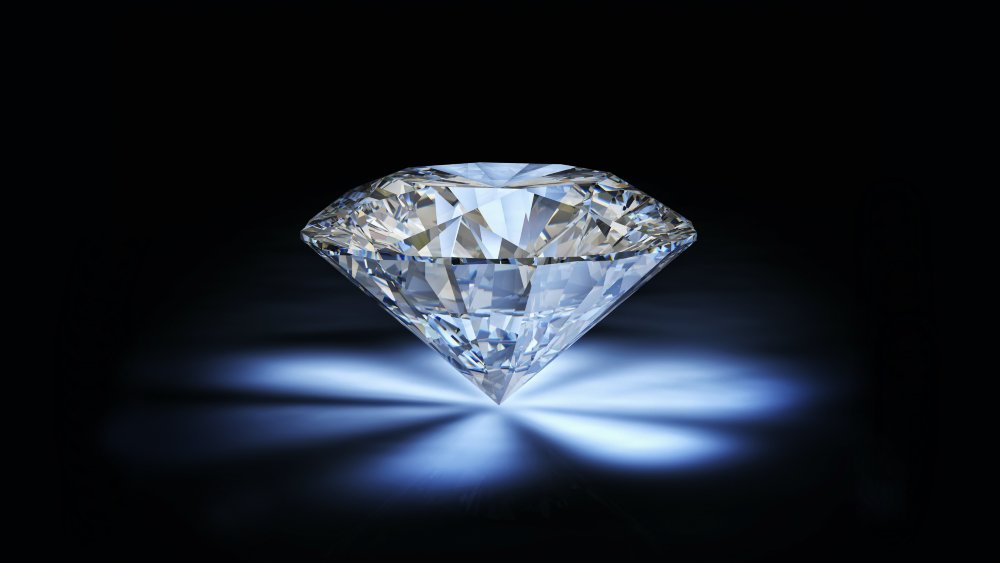
Let’s clear up the biggest confusion: lab diamonds aren’t “fake.” They’re real diamonds. Same chemical structure, same sparkle, same hardness. The only difference is that instead of forming underground over billions of years, they’re grown in a lab in a matter of weeks.
Imagine baking a cake at home instead of buying one at the store. Same ingredients, same taste—just a different process. That’s how man made diamonds work.
Pros? You get all the prestige of owning a diamond without draining your savings account. Cons? Some traditionalists still think they’re “less real” (but honestly, who cares what they think?).
Moissanite: The Underdog with Extra Sparkle
Here’s the fun part: moissanite wasn’t even discovered on Earth at first. Henri Moissan (yep, that’s the name connection) found it in a meteor crater. Space gemstone. How cool is that?
But since natural moissanite is almost impossible to find, labs recreate it using silicon carbide. The result? A gem that looks super similar to a diamond—but not identical.
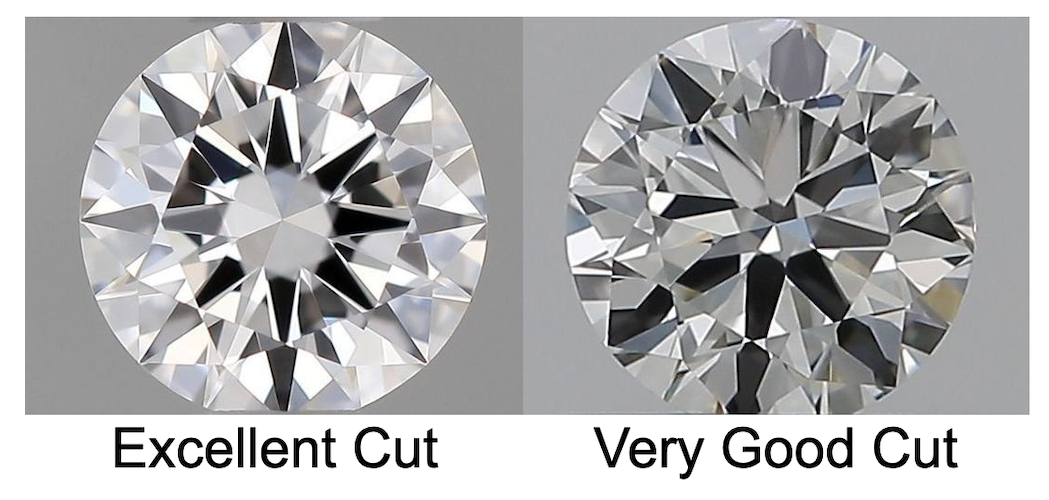
Moissanite’s signature? Its fire. Under light, it throws rainbow flashes that can look stunning or a little extra, depending on your taste.
Price-wise? You’ll pay a fraction of what even a diamante de laboratorio costs. Which means if size matters, you can snag a giant stone without guilt.
A Quick Side-by-Side
Let’s pit them against each other, casually.
- Price: Moissanite wins by a landslide. A 2-carat moissanite might be the cost of a 0.5-carat lab diamond.
- Durability: Diamonds hit a perfect 10 on the Mohs scale. Moissanite’s at 9.25—still tougher than almost every other gem.
- Look: Diamonds = classic sparkle. Moissanite = bold rainbow shine.
- Value: Neither resells well, but lab diamonds have slightly more staying power.
- Flexibility: Both come in endless cuts and settings. You want a cushion halo? Done. A solitaire pear? Easy.
Think of it like comparing an iPhone and an Android flagship. Both can do the job brilliantly—it just depends on what kind of “user experience” you want.
A Story We All Know (Sort Of)
Picture this:
Your best friend gets engaged. She shows off her ring, and you can’t stop staring. It’s huge. Like, “are you sure you didn’t rob a bank?” huge. She laughs and says, “Oh, it’s moissanite.”No one cares. It looks gorgeous, and she’s glowing.
Now imagine another friend—same story, but her fiancé went for a man made diamond. The stone is slightly smaller, but she loves saying, “Yes, it’s a diamond.” See the pattern? Both are valid. Both are beautiful. The meaning matters more than the label.
How These Gems Are Actually Made (Without a Science Degree)
For the nerds (like me), here’s the quick breakdown:
-
Lab Diamonds
Two main methods:
- HPHT (High Pressure High Temperature) → mimics Earth’s conditions.
- CVD (Chemical Vapor Deposition) → grows a diamond from a tiny seed in a carbon-rich chamber.
-
Moissanite
Grown from silicon carbide crystals. Less complicated than diamonds but still impressive.
Bottom line: both involve crazy tech that lets us wear sparkles without waiting millions of years for geology to do the work.
Why the World’s Warming Up to Them
The truth? Diamonds don’t hold the same chokehold on culture they once did. Gen Z and millennials care less about “tradition” and more about meaning, aesthetics, and price.
That’s why jewelry stores are giving both options equal spotlight. A decade ago, moissanite was tucked in the corner like an embarrassing secret. Now, some jewelers market it proudly. Same for lab diamonds. The “what will people think?” question just isn’t as loud anymore.
My Take (Because You Probably Want an Opinion)
If you want the timeless, no-questions-asked prestige of a diamond—but you don’t want to remortgage your apartment—go with a diamante de laboratorio. It scratches the itch for tradition and quality while staying financially sane.
If you’re more playful, practical, or simply don’t care what the stone technically is, moissanite is a fantastic option. Honestly, I’ve seen moissanite rings that made me think, “Dang, maybe I should’ve gone that route.”
At the end of the day, you’re not buying a rock. You’re buying a story, a symbol, a reminder. Whether it’s man made diamonds or moissanite, it should feel right.
The Bottom Line
When it comes to diamante de laboratorio vs moissanita, there’s no universal winner. Just the choice that fits your style, values, and budget. Because trust me—years from now, you won’t be thinking about Mohs scales, resale charts, or carbon vapor chambers. You’ll be thinking about the moment someone asked, “Will you marry me?” And honestly? That’s the sparkle that never fades.