


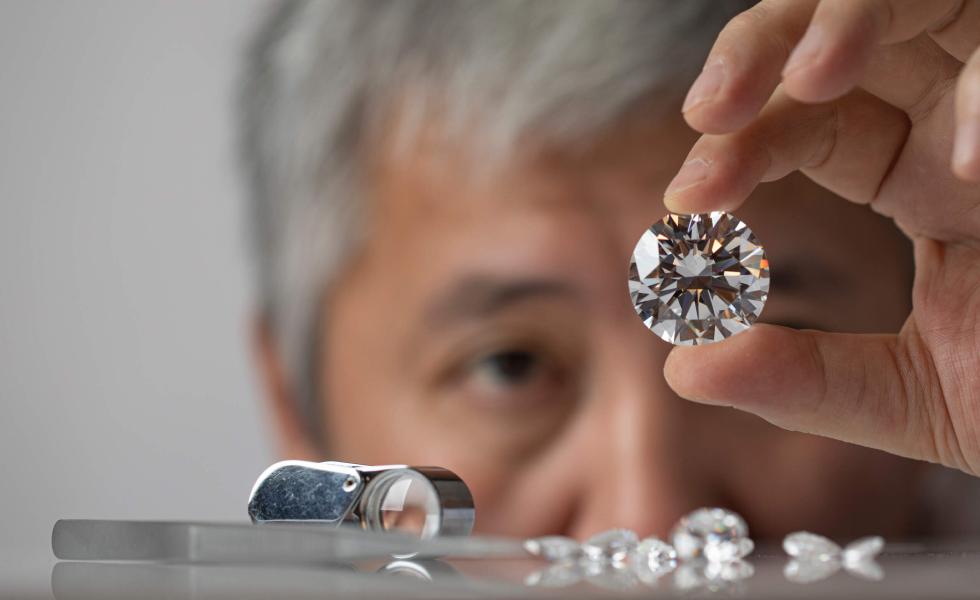
Diamond earrings have long been a symbol of elegance, sophistication, and timeless beauty. Whether worn as subtle studs for everyday charm or dazzling drop earrings for special occasions, they remain one of the most popular and versatile jewelry choices in the world. In recent years, however, a significant shift has taken place in the diamond industry with the rise of man-made diamonds. These lab-grown alternatives are transforming how people perceive luxury, sustainability, and value in fine jewelry.
The Timeless Appeal of Diamond Earrings
Diamond earrings have an enduring allure that transcends trends and generations. Their brilliance, durability, and ability to complement any outfit make them a staple in jewelry collections. From classic round-cut studs to intricate halo designs and elegant chandeliers, diamond earrings come in a wide variety of styles to suit different tastes and occasions.
One of the key reasons for their popularity is their versatility. A simple pair of diamond studs can effortlessly transition from a professional daytime look to an elegant evening ensemble. Larger or more elaborate designs, such as drop or hoop earrings adorned with diamonds, are often reserved for formal events, weddings, or celebrations.
Diamonds are also associated with emotional value. They are frequently gifted to mark milestones such as anniversaries, birthdays, or achievements. As a result, diamond earrings often carry sentimental significance, making them cherished heirlooms passed down through generations.
Understanding Man-Made Diamonds
Man-made diamonds, also known as lab-grown or synthetic diamonds, are real diamonds created in controlled laboratory environments rather than formed naturally within the Earth. They possess the same physical, chemical, and optical properties as natural diamonds. This means they exhibit the same hardness, brilliance, and sparkle that make diamonds so desirable.
There are two primary methods used to create man-made diamonds: High Pressure High Temperature (HPHT) and Chemical Vapor Deposition (CVD). Both processes replicate the natural conditions under which diamonds form, resulting in stones that are virtually indistinguishable from mined diamonds without specialized equipment.
The growing popularity of man-made diamonds can be attributed to several factors, including affordability, ethical sourcing, and environmental considerations.
Affordability and Value
One of the most appealing aspects of man made diamonds is their cost. Typically, they are 20–40% less expensive than natural diamonds of comparable size and quality. This allows buyers to purchase larger or higher-quality stones within the same budget.
For diamond earrings, this means consumers can opt for bigger carat sizes or more intricate designs without significantly increasing their spending. This democratization of luxury has made diamond jewelry more accessible to a broader audience.
Ethical and Environmental Benefits
The traditional diamond mining industry has faced criticism over issues such as environmental degradation and unethical labor practices. While many mining companies have made strides toward responsible sourcing, concerns still persist among consumers.
Man-made diamonds offer a compelling alternative. Since they are created in laboratories, they eliminate the need for mining, thereby reducing environmental impact. Additionally, they provide a transparent supply chain, giving buyers greater confidence that their purchase is conflict-free.
For environmentally conscious and socially aware consumers, choosing lab-grown diamonds for earrings aligns with their values without compromising on beauty or quality.
Design Possibilities and Innovation
The rise of man-made diamonds has also opened new doors for creativity and innovation in jewelry design. Because these diamonds are more affordable and readily available, designers have greater flexibility to experiment with bold and intricate styles.
Diamond earrings featuring unique cuts, unconventional settings, or combinations with colored gemstones are becoming increasingly popular. Lab-grown diamonds can also be produced in a range of colors, including pink, blue, and yellow, offering more variety than traditional white diamonds.
This expanded design landscape allows individuals to express their personal style more freely, making diamond earrings not just accessories but statements of individuality.
Durability and Everyday Wear
Both natural and man-made diamonds share the same exceptional hardness, ranking 10 on the Mohs scale. This makes diamond earrings highly resistant to scratches and suitable for daily wear. Whether worn to the office, at home, or during special events, they maintain their brilliance over time with minimal maintenance.
For practical buyers, this durability adds to the value of diamond earrings, ensuring they remain a long-lasting investment.
Choosing Between Natural and Man-Made Diamonds
When selecting diamond earrings, the choice between natural and man-made diamonds ultimately comes down to personal preference, budget, and values. Some buyers appreciate the rarity and geological history of natural diamonds, while others prioritize sustainability and cost-effectiveness.
It is important to note that both types of diamonds are graded using the same criteria, commonly known as the 4 Cs: cut, color, clarity, and carat weight. This ensures that consumers can make informed decisions regardless of the diamond’s origin.
Certification from reputable gemological laboratories is also essential, as it verifies the quality and authenticity of the diamond.
The Future of Diamond Jewelry
The increasing acceptance of man-made diamonds is reshaping the jewelry industry. As technology continues to advance, the quality and availability of lab-grown diamonds are expected to improve even further. This shift is likely to influence consumer preferences, making sustainable and affordable options the new standard.
Diamond earrings, in particular, are benefiting from this evolution. They remain a timeless accessory while embracing modern values and innovations. Whether crafted from natural or lab-grown diamonds, their beauty and significance endure.
Conclusion
Diamond earrings continue to captivate with their elegance and versatility, making them a cherished addition to any jewelry collection. The emergence of man-made diamonds has introduced a new dimension to this classic accessory, offering affordability, ethical assurance, and creative possibilities.
As consumers become more informed and conscious of their choices, the demand for lab-grown diamonds is likely to grow. Ultimately, whether one chooses natural or man-made diamonds, the essence of diamond earrings remains the same: a celebration of beauty, craftsmanship, and personal expression.